Choosing the right peeling equipment can shape product quality, labor costs, and daily production stability. A suitable machine removes skins evenly without damaging the flesh beneath. It should also match your raw materials, output targets, facility layout, and cleaning routine.
Potatoes, carrots, apples, and root vegetables do not peel in the same way. A rough abrasive system may suit firm potatoes, while a steam or knife peeler may protect softer produce better. Consider feed size, peel thickness, moisture, operator skill, and expected waste. Small trials often reveal problems that brochures hide. Measure peeling loss, surface damage, cycle time, and water consumption before making a decision. Check whether the equipment uses food-grade contact materials and supports documented sanitation procedures. Reliable suppliers should provide technical specifications, training, maintenance guidance, and responsive service records. Ask for references from facilities with similar products and production volumes. Photos are not enough.
Real experience matters here. A machine can perform well during a demonstration but struggle during a long, wet shift. That detail is easy to miss. It is also wise to inspect access points, blade replacement steps, emergency controls, and spare-part availability. Energy use deserves attention, although lower consumption does not always mean better value. The cheapest option may create higher labor and waste costs later. Even experienced buyers can misjudge capacity. Careful comparison, measured testing, and honest review of operational limits will help identify the best peeling equipment for consistent, safe, and economical processing.
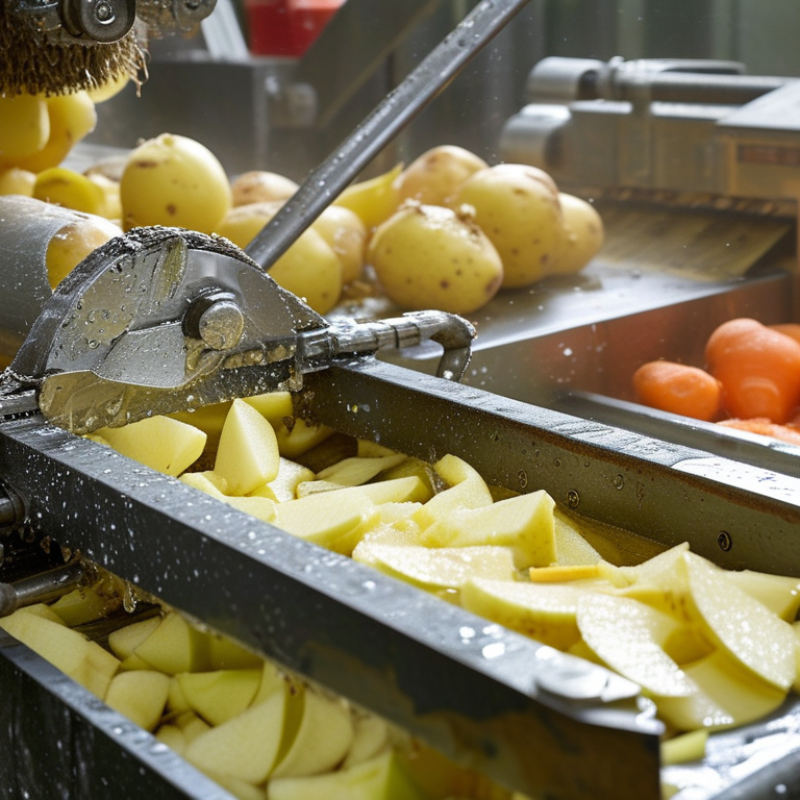
Choosing peeling equipment starts with the crop, not the machine. Rotary abrasive peelers suit potatoes, carrots, and other firm root vegetables. Their rough surfaces remove thin skins while water carries away loosened material. They work well in continuous lines, but excessive pressure can waste edible flesh. That trade-off is easy to miss.
Steam peelers use brief, high-pressure steam exposure. They fit potatoes, tomatoes, and some fruits processed at larger volumes. Steam loosens the skin, followed by brushing or rubbing. Operators must control pressure and exposure time carefully. Too much heat can soften the product. Knife peelers provide a precise cut for irregular produce or products requiring a clean appearance. They are useful for apples, cucumbers, and selected specialty vegetables. A dull blade tears instead of cutting.
Abrasive roller peelers handle large batches of firm vegetables with consistent contact. Flame peelers are mainly used for peppers and similar produce, where heat chars the outer skin for easy removal. In practical equipment trials, I compare peeling loss, throughput, product damage, water use, and cleaning access. Small test batches reveal problems that specifications may hide. No machine is perfect. A line designed for speed may reduce yield, while a gentle system may demand more labor. Operators should record real results and review them before making a final selection.
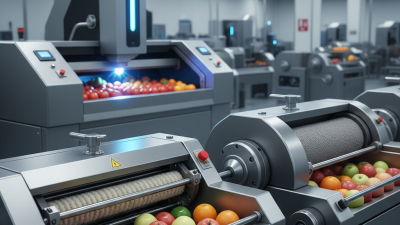
When evaluating peeling equipment, begin with the product itself. A soft potato needs different handling than a firm root vegetable. Product shape, skin thickness, moisture, and temperature all affect peeling performance. I have found that test samples reveal problems that brochures often hide. Uneven surfaces may leave patches, while excessive pressure can remove valuable flesh. Measure peeling loss, output rate, and consistency during a realistic production trial.
Construction quality also deserves close attention. Food-contact surfaces should resist corrosion and allow quick, thorough cleaning. Check blade adjustment, guarding, noise levels, emergency controls, and access for maintenance. A reliable machine should provide stable results across changing batches, not only during a short demonstration. Energy use and water consumption matter too, especially when operating for many hours. No machine is perfect. Small setup errors can still create large losses.
How to Choose the Best Peeling Equipment?
How to Match Equipment Features to Processing Requirements
Choosing peeling equipment should begin with the product, not the machine catalogue. Measure the raw material’s size, shape, firmness, moisture, and skin thickness. Potatoes, root vegetables, and delicate fruits may need completely different peeling actions. Abrasive surfaces can remove stubborn skin quickly, but they may also increase product loss. Steam or knife systems can protect shape, yet they often require more precise settings. In my experience, testing a small batch reveals problems that specifications often hide. A machine that performs well in a demonstration may struggle with irregular produce.
Tips: Record peeling loss, output weight, cycle time, and cleaning time during trials. Check the product after peeling, not only the machine during operation. Ask operators whether adjustments feel simple. Their feedback is practical evidence.
Match capacity to your real production rhythm. Oversized equipment may waste energy and space, while undersized equipment creates queues and uneven results. Look for adjustable peeling pressure, speed control, water use, and interchangeable contact parts. These features help when seasonal materials change. Hygiene also matters. Smooth surfaces, accessible inspection points, and tool-free cleaning can reduce contamination risks and maintenance delays. Electrical safety and local compliance should be verified by qualified professionals. I once focused too heavily on hourly capacity and overlooked setup time. That decision looked efficient on paper, but it slowed the whole line. Reliability comes from balanced choices, repeated testing, and honest attention to weak points.
Compare safety, efficiency, and maintenance before comparing prices. In a plant trial, watch the cutting zone, discharge point, and emergency-stop access. Guards should prevent hand entry during normal operation. OSHA recorded about 2.6 million nonfatal workplace injuries and illnesses in private industry during 2023. This figure is not specific to peeling machines, but it shows why risk assessment cannot be an afterthought. Use ISO 12100 principles to identify crushing, cutting, slipping, and unexpected-start hazards. Ask for measurable safety evidence, not attractive claims.
Efficiency needs practical testing. Measure kilograms processed per hour, product loss, water use, and electricity under your real raw-material conditions. A machine may perform well with uniform potatoes but struggle with irregular roots. The U.S. Department of Energy notes that compressed-air leaks can waste 20–30% of compressor output, so pneumatic systems deserve inspection.
Maintenance also affects output. Check tool-change time, cleaning access, spare-part availability, and the number of lubrication points. These details often decide uptime. I would still question laboratory figures; factory results can be less generous.
Tips: Request a witnessed trial using your own produce. Record throughput, peel loss, cleaning minutes, and stoppages. Choose sensors that reveal wear early. Keep a simple maintenance log. Small records matter.
Selecting and validating peeling equipment starts with the raw material, not the machine catalogue. Measure size, skin thickness, moisture, temperature, and surface damage across several production batches. A machine that performs well on uniform potatoes may struggle with irregular roots. In plant trials, operators should record peel loss, product breakage, throughput, water use, and cleaning time. Small details matter.
The FAO’s State of Food and Agriculture 2023 reports that global food loss remains substantial before retail. This makes yield a commercial and sustainability issue. Set an acceptance range before testing, such as peel removal above 95% and edible-product loss below 8%. These figures must reflect the crop and process. They are not universal targets. The wrong benchmark can create false confidence.
Validation should include continuous operation, not only a short demonstration. Run mixed sizes for several hours. Inspect the discharge conveyor, blades, abrasive surfaces, and wastewater screens. The UNEP Food Waste Index Report 2024 estimated 1.05 billion tonnes of food waste in 2022, showing why avoidable losses deserve serious attention. Also verify hygienic design, tool-free access, emergency protection, noise, and documented maintenance intervals. Ask for measured data, not polished claims. One weakness remains common: test conditions are often cleaner than real production. Repeating trials with actual staff and normal raw materials gives a more honest result.
JK Machinery a.s.
Psohlavců 322/4, Praha 4,
Czechia
T: +420 777 610 380
E: sale@roll-formingmachinery.com