How to Choose the Right Machinery and Equipment for Your Business?
Choosing the right machinery and equipment is crucial for any business. In 2021, the global machinery market was valued at over $600 billion. Industries are increasingly investing in advanced technologies. Selecting the proper machinery can lead to improved efficiency and productivity. Efficiency can reduce operational costs significantly.
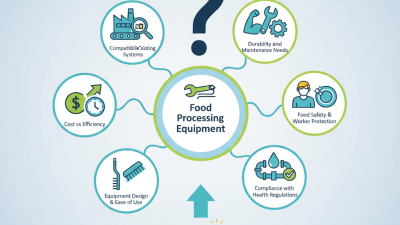
However, many businesses struggle to pick the right equipment. Poor choices can lead to downtime and increased maintenance costs. According to industry studies, over 30% of businesses regret their equipment decisions. This figure highlights the need for careful consideration. Key factors such as performance, durability, and compatibility should always be assessed.
With the rapid advancements in technology, regulations and standards are constantly changing. Keeping up with these changes can be challenging. Some businesses may overlook essential aspects in their selection process. Evaluating long-term benefits versus initial costs is vital. Investing time in understanding machinery and equipment can pay off in the long run.
Understanding Your Business Needs and Requirements
Choosing the right machinery and equipment is crucial for any business. Understanding your business needs and requirements is the first step. Evaluate your operational tasks. What processes do you depend on every day? Are there specific features that will enhance your workflow? Taking time to answer these questions can clarify your needs.
**Tip:** Create a list of must-have features for your equipment. This will guide your decision-making process.
Consider the scalability of the equipment. Your business may grow in the future. Will the machinery adapt to increased demand, or will it become a limitation? The right choice should not only meet current needs but also accommodate future goals.
**Tip:** Keep a budget in mind, but be cautious about compromising quality for cost.
Don’t overlook maintenance and training. These factors can impact your efficiency. Sometimes, the least expensive option may lead to high downtime if it’s difficult to operate. Be honest about your team's skills and training needs. Investing in proper training can save time and headaches down the line.
Identifying Key Types of Machinery and Equipment
When choosing machinery and equipment for your business, it's crucial to identify key types relevant to your operations. Different industries require different tools. For instance, manufacturing may need heavy machinery, while retail could benefit from point-of-sale systems.
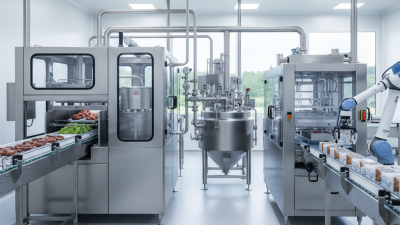
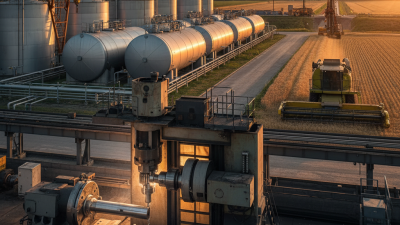
Consider essential categories such as production equipment, which can greatly increase efficiency. This includes tools like conveyors and robotic arms. For construction, heavy-duty vehicles are vital, while agricultural businesses often rely on specialized tractors and harvesters. Understanding your specific needs can help streamline your selection.
Don't forget about maintenance equipment. Investing in tools that simplify upkeep can save you time and expense. Reflection on these types is important. Sometimes, the equipment you think is essential might not actually fit your workflow. Evaluate your operations carefully. Adjustments may lead to better productivity and cost savings.
Evaluating Machinery Specifications and Performance
When choosing machinery and equipment, evaluating specifications is crucial. Different industries demand varying levels of performance. For instance, a 2022 report from the Machinery Manufacturers Association shows that efficiency impacts operational costs by 20-30%. You need to prioritize machines that provide reliable power ratings and production capabilities. A mismatch can lead to increased downtime and loss of revenue.
Tip: Always check the energy consumption data. Energy-efficient models can save thousands annually. They may cost more upfront, but the long-term savings are significant. Look at the machine's maintenance requirements. High maintenance can eat into your profits.
It's vital to consider the durability of the equipment. According to a recent industry study, machines with better materials can last over 50% longer. Reliability impacts not just your operations, but your reputation too. Take time to analyze warranty terms. A longer warranty often indicates manufacturer confidence in their product.
Tip: Read user reviews. Real-world experiences can highlight potential issues that specs might not reveal. Sometimes, the most expensive option is not the best choice. Balance cost and capability carefully. This requires ongoing reflection on your specific needs and growth objectives.
Assessing Budget and Financial Considerations
When assessing budget and financial considerations for machinery and equipment, clarity is essential. Start by determining your overall budget for the purchase. What can you afford without jeopardizing cash flow? Calculate not only the upfront costs but also the ongoing maintenance and operational expenses.
It’s crucial to balance quality with affordability. Cheaper options may lead to more repairs in the long run. Sometimes, spending a bit more initially can save significant costs later. Evaluate financing options as well. Will you lease or buy outright? Understand the implications of both choices. Each can affect your cash flow differently.
Don’t forget about potential hidden costs. These can range from installation to training staff. These add-ons can quickly eat away at your budget. Consider if there are ways to reduce these costs. Perhaps you can train staff in-house or negotiate installation deals. Reflect on your specific needs. Ensure that the equipment will meet not just current demands but future growth as well. This foresight can prevent financial strain later.
Machinery and Equipment Budget Assessment