What is Carbon Steel Pipe and Its Applications in Industry?
Carbon steel pipes play a critical role in various industries, including construction, oil and gas, and manufacturing. They are known for their strength and versatility, making them a preferred choice for many applications. According to John Smith, a leading expert in the field of industrial piping, “Carbon steel pipes are essential for efficient and reliable infrastructure.”
These pipes are made from carbon steel, which contains a high amount of carbon. This feature enhances their tensile strength and durability. In projects where pressure and temperature resistance are crucial, carbon steel pipes are often the go-to option. However, their susceptibility to corrosion can pose challenges. Industry professionals must implement proper maintenance strategies to mitigate these risks.
Despite their advantages, the use of carbon steel pipes requires careful planning and execution. Engineers must assess the specific requirements of each project. Sometimes, alternative materials may be more suitable. The ongoing advancements in piping technology prompt continual evaluation and refinement of current practices. This reflection can lead to more reliable and efficient solutions in the industry.
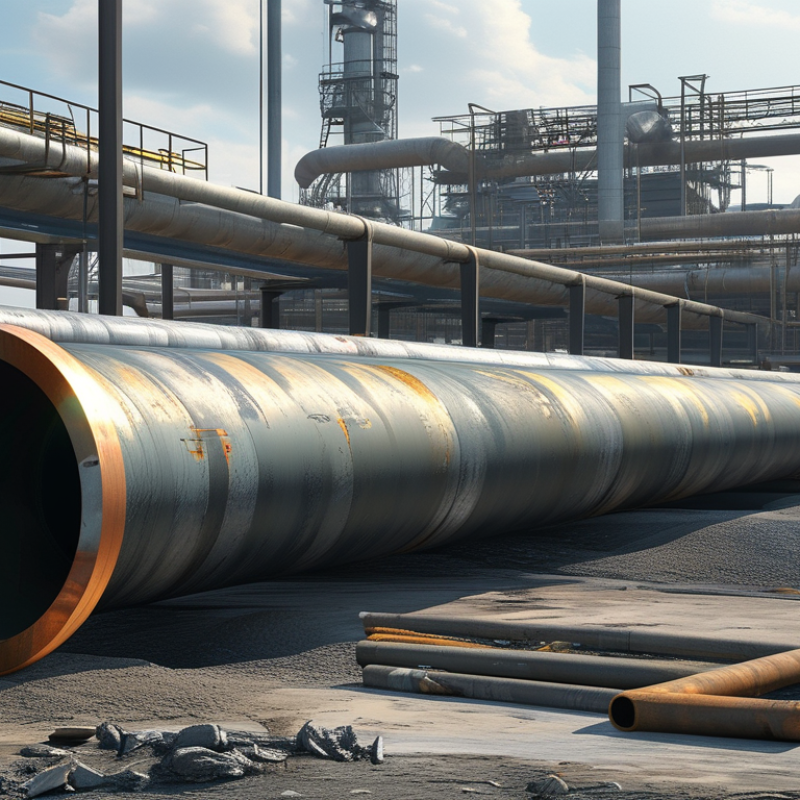
What is Carbon Steel Pipe?
Carbon steel pipes are essential components in various industries. They are produced through the combination of iron and carbon, providing a strong and durable product. The carbon content typically ranges from 0.05% to 2.0%, which affects the pipe's strength and ductility. Both low and high carbon steel pipes are available, catering to different applications based on their mechanical properties.
Industries rely on carbon steel pipes for transporting fluids and gases under high pressure. In construction, they are often used for structural purposes. These pipes are favored for their ability to withstand harsh environments and heavy loads. For instance, plumbing systems and hydraulic lines often utilize carbon steel pipes due to their robustness. However, drawbacks exist; they are prone to corrosion if not properly treated. Regular inspections are crucial for safety and effectiveness.
While carbon steel pipes are reliable, they require careful handling during installation. Improper techniques can lead to failure. Awareness of these factors is vital for industry professionals. Experience can highlight the importance of selecting the right pipe type for specific applications. Understanding both the strengths and limitations ensures optimal use of carbon steel pipes in demanding environments.
What is Carbon Steel Pipe and Its Applications in Industry?
| Dimension (inches) | Thickness (mm) | Material Grade | Applications |
| 1/2 | 2.0 | A106 Gr. B | Oil & Gas |
| 3/4 | 2.5 | API 5L | Water Supply |
| 1 | 3.0 | A53 Gr. B | Construction |
| 2 | 4.0 | S355JR | Structural Support |
| 3 | 5.0 | ASTM A500 | Frameworks |
Chemical Composition and Properties of Carbon Steel
Carbon steel pipe is widely used in various industries due to its strength and versatility. This material is mainly composed of iron and carbon. The carbon content significantly affects its properties. Typically, carbon steel contains up to 2.1% carbon. Higher carbon content increases hardness but reduces ductility. Conversely, lower carbon content enhances malleability but decreases strength.
The chemical composition of carbon steel can be further classified into three categories: low, medium, and high carbon steel. Low carbon steel, with a carbon content of up to 0.3%, is ductile and can be easily shaped. Medium carbon steel, ranging from 0.3% to 0.6% carbon, offers a good balance between strength and ductility. High carbon steel contains over 0.6% carbon, making it very hard but less workable.
When selecting carbon steel pipe, consider the specific application. Different industries, like construction and oil and gas, have unique requirements. Thickness, diameter, and resistance to corrosion are critical factors. Checking the pipe’s specifications can prevent future issues. Remember, not all carbon steel is suitable for every application. Testing the properties can enhance reliability.
Choosing the right type based on its composition can save costs and ensure safety. A mismatch between the pipe and its intended use might lead to failure. Always consult with professionals before making a selection.
Common Manufacturing Processes for Carbon Steel Pipe
Carbon steel pipes are integral to various industries due to their strength and versatility. Understanding the manufacturing processes is essential for both engineers and procurement specialists. Commonly, carbon steel pipes are produced through methods like seamless and welded processes. According to industry reports, seamless pipes account for around 50% of the market share, primarily used in high-pressure applications.
The seamless manufacturing process involves heating a solid billet and then piercing it to create a hollow tube. This process enhances the strength of the pipe, making it suitable for demanding environments, such as oil and gas, where high pressure and temperature are routine. On the other hand, welded pipe production, which involves rolling and welding steel plates, offers cost efficiency. These pipes are often used in lower-pressure systems, such as water pipelines or structural applications.
Despite the advantages, challenges persist. Seamless pipe production is often slower and more costly. Welded pipes may have weaknesses in their joints, depending on the welding method used. According to recent statistics, nearly 30% of failure rates in piping systems are attributed to weld defects. Continuous improvement in manufacturing techniques is crucial to reducing these risks and enhancing reliability in service. By examining these processes closely, industries can make informed decisions that contribute to sustainable practices and infrastructure development.
Industry Applications of Carbon Steel Pipe: An Overview
Carbon steel pipes are widely utilized across various industries due to their versatility and strength. These pipes are known for their durability and robustness, making them ideal for high-pressure environments. A common application is in the oil and gas industry, where they transport crude oil and natural gas under extreme conditions. This durability is crucial, as any failure can lead to catastrophic results.
In construction, carbon steel pipes serve as essential components for structural frameworks and plumbing systems. They are also employed in HVAC systems, where their ability to withstand high temperatures is vital. Many manufacturers appreciate carbon steel’s cost-effectiveness without compromising quality. However, the susceptibility to corrosion is a notable concern. Proper coating and maintenance are essential to prolong the life of these pipes.
When selecting carbon steel pipes, consider the environment they will be used in. For high corrosion scenarios, additional protective measures should be applied. Understanding the specific application helps in choosing the right type of carbon steel pipe. The wrong choice can lead to issues down the line. Regular assessments can enhance performance and safety, ensuring reliable operations over time.
Applications of Carbon Steel Pipe in Various Industries
This chart illustrates the applications of carbon steel pipe across various industries, highlighting the percentage usage in each sector. As shown, the construction industry leads with 30%, followed by oil & gas at 25%, and others contributing as well.
Future Trends in the Carbon Steel Pipe Market and Innovations
The carbon steel pipe market is evolving rapidly. Innovations in manufacturing techniques and material enhancements are shaping the future. According to a recent market report, the global carbon steel pipe market is projected to reach USD 120 billion by 2025, growing at a CAGR of 4.4%. This growth is primarily driven by the increasing demand in the oil and gas sectors.
One significant trend is the rise of seamless carbon steel pipes. These pipes offer better pressure resistance and are essential in high-stress environments. In addition, advancements in welding technology are improving the efficiency and safety of carbon steel pipe production. Industry experts suggest that integrating smart technologies, such as IoT sensors, can enhance monitoring and maintenance, reducing downtime.
How can businesses adapt to these trends? Focus on upskilling your workforce and investing in advanced machinery. Being agile and responsive to market shifts can lead to competitive advantages. Companies should also consider the environmental impact of their practices. Technology can enable more sustainable production processes, lowering energy consumption and reducing waste.


