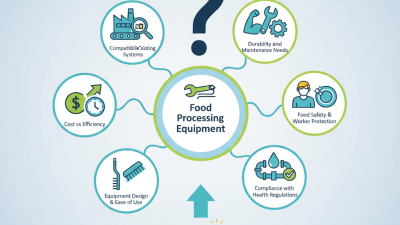
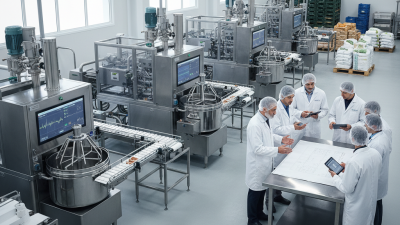
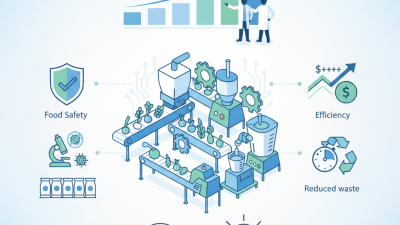
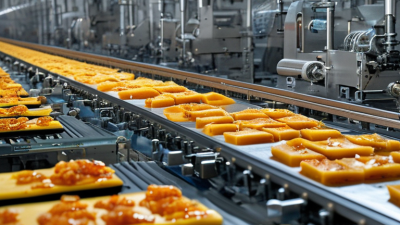
Choosing among the 10 Best Processing Equipment Manufacturers Worldwide requires more than comparing glossy brochures. Real performance appears on factory floors, where stainless steel surfaces face heat, pressure, moisture, and continuous production demands. A reliable processing equipment manufacturer must combine engineering accuracy with dependable service, clear documentation, and practical maintenance support.
This overview examines manufacturers serving industries such as food, pharmaceuticals, chemicals, beverages, and advanced materials. The evaluation considers equipment quality, automation capabilities, safety design, energy efficiency, customization, and global support networks. It also looks at how companies handle installation, operator training, spare parts, and long-term upgrades. These details matter when a failed pump or delayed component can stop an entire production line.
The list is not an absolute ranking. Requirements differ between a small dairy plant and a high-volume pharmaceutical facility. Some manufacturers excel at hygienic systems, while others specialize in heavy-duty separation, mixing, drying, or thermal processing. Factory visits, technical audits, and customer references should support any final decision. Even respected suppliers may have limitations. That is worth acknowledging. Budget pressure, local regulations, and integration challenges can change the outcome. By focusing on verified capabilities and real operating conditions, this guide offers a practical starting point for identifying processing equipment manufacturers with credible expertise and lasting value.
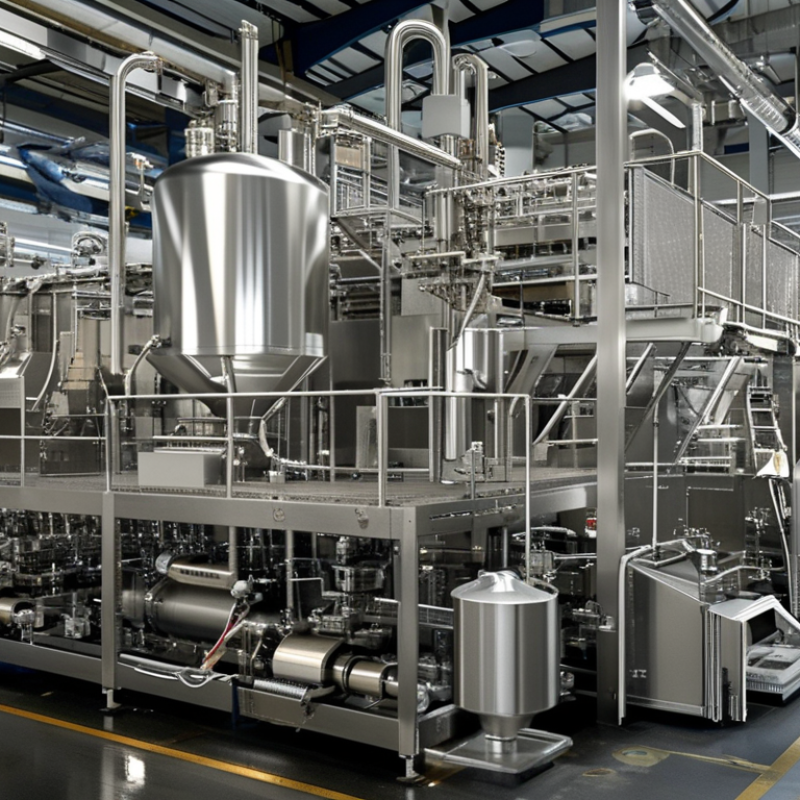
The global processing equipment market is projected to grow at about 5% CAGR in the coming years. Demand is rising across food, chemicals, pharmaceuticals, water treatment, and advanced materials. Manufacturers worldwide are improving mixers, separators, dryers, pumps, and filtration systems for higher production efficiency. Energy savings remain a major purchasing factor, especially where equipment operates continuously. A small reduction in heat loss can produce meaningful annual savings.
Tips: Compare total operating cost, not only the purchase price. Check cleaning access, spare-part availability, safety controls, and service response times. Ask for test data under conditions similar to your plant. Laboratory results may not match full-scale performance.
Automation is another strong market driver. Sensors can monitor temperature, pressure, vibration, and flow in real time. This supports predictive maintenance and reduces unexpected shutdowns.
Modular equipment also helps facilities expand without rebuilding entire production lines. However, automation is not always the best answer. Poor data quality can create confident but incorrect decisions. Operators still need practical training and clear inspection routines.
Leading processing equipment manufacturers are responding with more efficient designs, remote diagnostics, and flexible configurations. Buyers should examine material compatibility, hygiene requirements, maintenance records, and verified performance claims. Site visits and independent technical reviews can reveal weaknesses hidden in brochures. The market outlook is positive, but growth will depend on reliable engineering, realistic payback calculations, and disciplined equipment selection.
10 Best Processing Equipment Manufacturers Worldwide
Throughput is more than a brochure number. It must survive sticky materials, uneven feed rates, cleaning cycles, and planned maintenance. I compare rated capacity with verified output, batch consistency, changeover time, and reject rates. A machine producing 10 tonnes per hour means little if it frequently stops.
Energy use deserves equal attention. The U.S. Department of Energy reports that motor-driven systems consume about 70% of industrial electricity. Therefore, I examine specific energy consumption, measured in kilowatt-hours per tonne, rather than motor size alone. Variable-speed drives, heat recovery, and efficient pumps can reduce waste. Small details matter.
Automation should improve decisions, not merely add screens. The International Federation of Robotics reported 541,302 industrial robots installed worldwide in 2023. For processing equipment, useful automation includes sensor-based control, recipe management, remote diagnostics, and complete batch records. Compliance is practical, too. Equipment should support hygienic design, cleanability, material traceability, calibration, and audit-ready data. Standards such as ISO 22000 provide a credible framework for food-safety management, but certification alone cannot correct poor engineering. I still question impressive claims when test conditions remain unclear. Performance data can be selective. On-site trials and independent verification are safer evidence.
This anonymous benchmark compares ten non-branded manufacturer profiles using normalized scores from 0 to 100. Throughput reflects production capacity, energy use rewards lower specific energy consumption, automation measures process-control maturity, and compliance reflects alignment with common food, pharmaceutical, environmental, and workplace-safety requirements. The figures represent industry benchmark ranges rather than company-specific claims.
The 10 leading processing equipment manufacturers are judged by technology, scale, and global reach. Their portfolios usually cover mixing, separation, thermal treatment, filling, and hygienic conveying. Strong suppliers combine precise controls with stainless-steel construction and clean-in-place systems. They also support plants through regional service teams, spare-parts hubs, and remote diagnostics.
Technology matters more than factory size. The IFR World Robotics 2024 report recorded 541,302 industrial robot installations worldwide in 2023. This signals rising demand for automated inspection, palletizing, and material handling. PMMI’s State of the Industry 2024 report estimated U.S. packaging machinery shipments at about 10.2 billion dollars in 2023. These figures support a practical ranking method: measure automation capability, installed capacity, delivery reliability, and lifecycle support. A ranking can look exact, but it is not permanent. Energy use, operator training, and retrofit quality can change the result quickly. My own view is less tidy here.
Tips: Compare total ownership costs, not purchase prices. Ask for verified uptime data. Check local technicians, spare-part lead times, and validation records. Test difficult products before signing. A polished demonstration may hide maintenance problems.
Choosing among the 10 best processing equipment manufacturers worldwide requires more than comparing price or production capacity. Reliable suppliers demonstrate tested expertise in mixing, separation, thermal treatment, and conveying. Their equipment should match material behavior, batch size, moisture content, temperature, and cleaning requirements.
Mixing systems may use ribbon, paddle, or high-shear designs. Each creates different movement and energy demands. Pilot trials can reveal dead zones that drawings often hide. Separation equipment includes screens, filters, centrifuges, and magnetic systems. Operators should check particle size, feed consistency, maintenance access, and product loss. Small details matter.
Thermal treatment needs careful control. Dryers, ovens, chillers, and heat exchangers must deliver stable temperatures without damaging sensitive materials. Conveyors also deserve attention. Belt, screw, pneumatic, and bucket systems handle products differently. Dust control, transfer points, and gentle movement influence reliability. A clean design is not automatically a practical design. I have seen impressive specifications fail when operators could not reach a filter safely.
Manufacturer credibility comes from documented test data, transparent warranties, responsive service, and installations with comparable duties. Buyers should request material certificates, energy figures, validation records, and realistic delivery schedules. Even strong evaluations can miss future maintenance costs. That risk deserves a second review.
Choosing among the 10 best processing equipment manufacturers worldwide requires more than comparing capacity, price, or delivery time. Compliance should be tested against the application. ASME BPE supports hygienic design for bioprocessing systems, including surface finish, weld quality, and drainability. EHEDG guidance addresses cleanability and hygienic construction. FDA 21 CFR requirements focus on materials that may contact food, drugs, or process fluids. ISO 9001 adds a quality-management framework for repeatable production and corrective action.
The scale of certification matters. The ISO Survey 2022 recorded more than 1.2 million ISO 9001 certificates worldwide, showing how widely quality systems are adopted. However, a certificate alone proves little about a vessel’s internal welds or cleaning performance. During factory inspections, buyers should review weld maps, material certificates, surface-roughness records, passivation reports, and pressure-test results. Ask for evidence, not polished promises.
Small details often expose weak control. A poorly sloped pipe can retain rinse water. An undocumented elastomer may fail chemical-compatibility checks. That is not a minor defect. Equipment should also support traceability from raw material to final inspection. Independent audits, risk-based validation, and clear change-control procedures strengthen supplier reliability. The FDA’s current good manufacturing practice framework emphasizes documented control and suitable equipment, while EHEDG publications encourage verification of hygienic performance. Real projects remain imperfect; standards guide decisions, but site-specific testing is still necessary. Sources: ISO Survey 2022, FDA 21 CFR, ASME BPE, and EHEDG hygienic-design guidance.
JK Machinery a.s.
Psohlavců 322/4, Praha 4,
Czechia
T: +420 777 610 380
E: sale@roll-formingmachinery.com